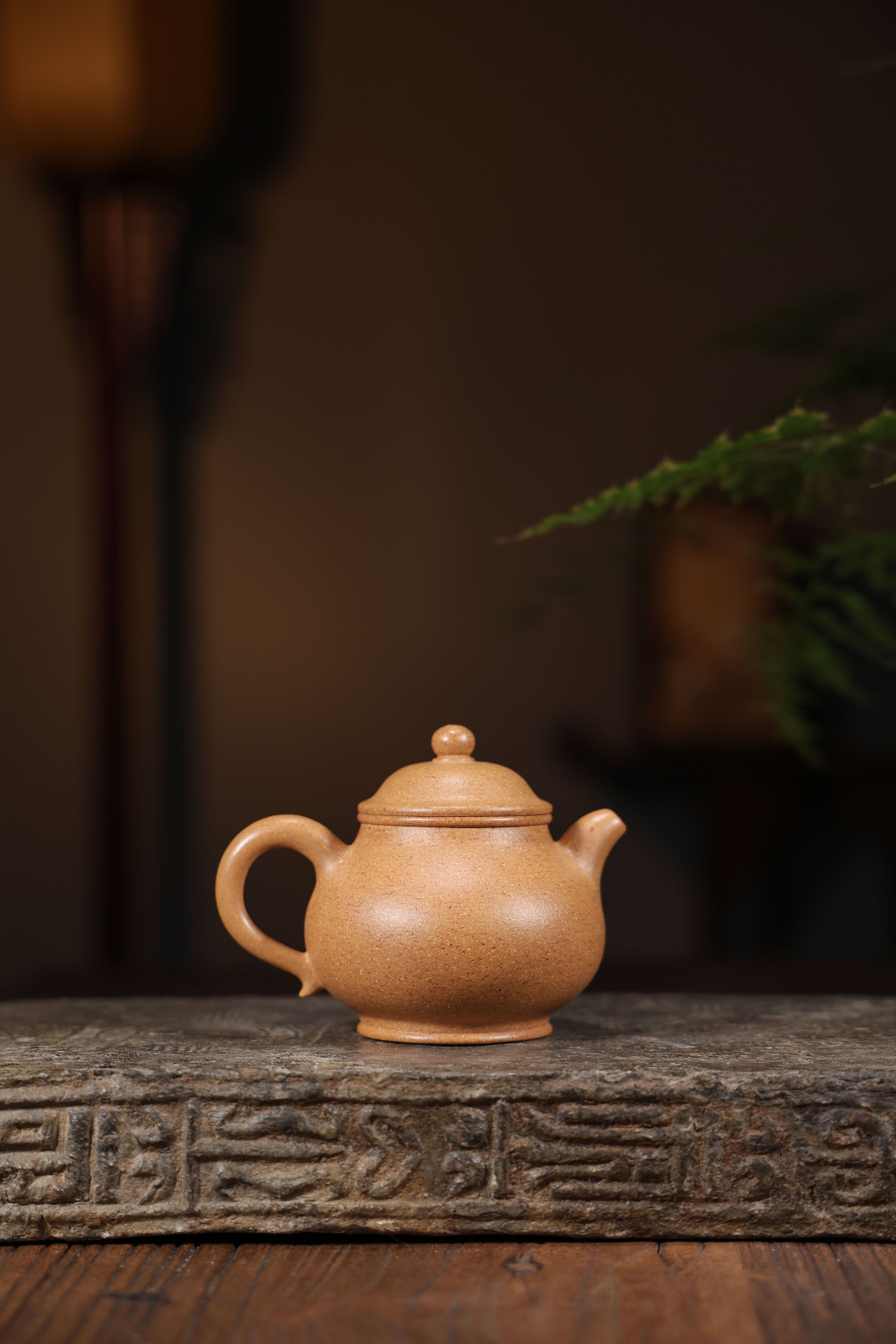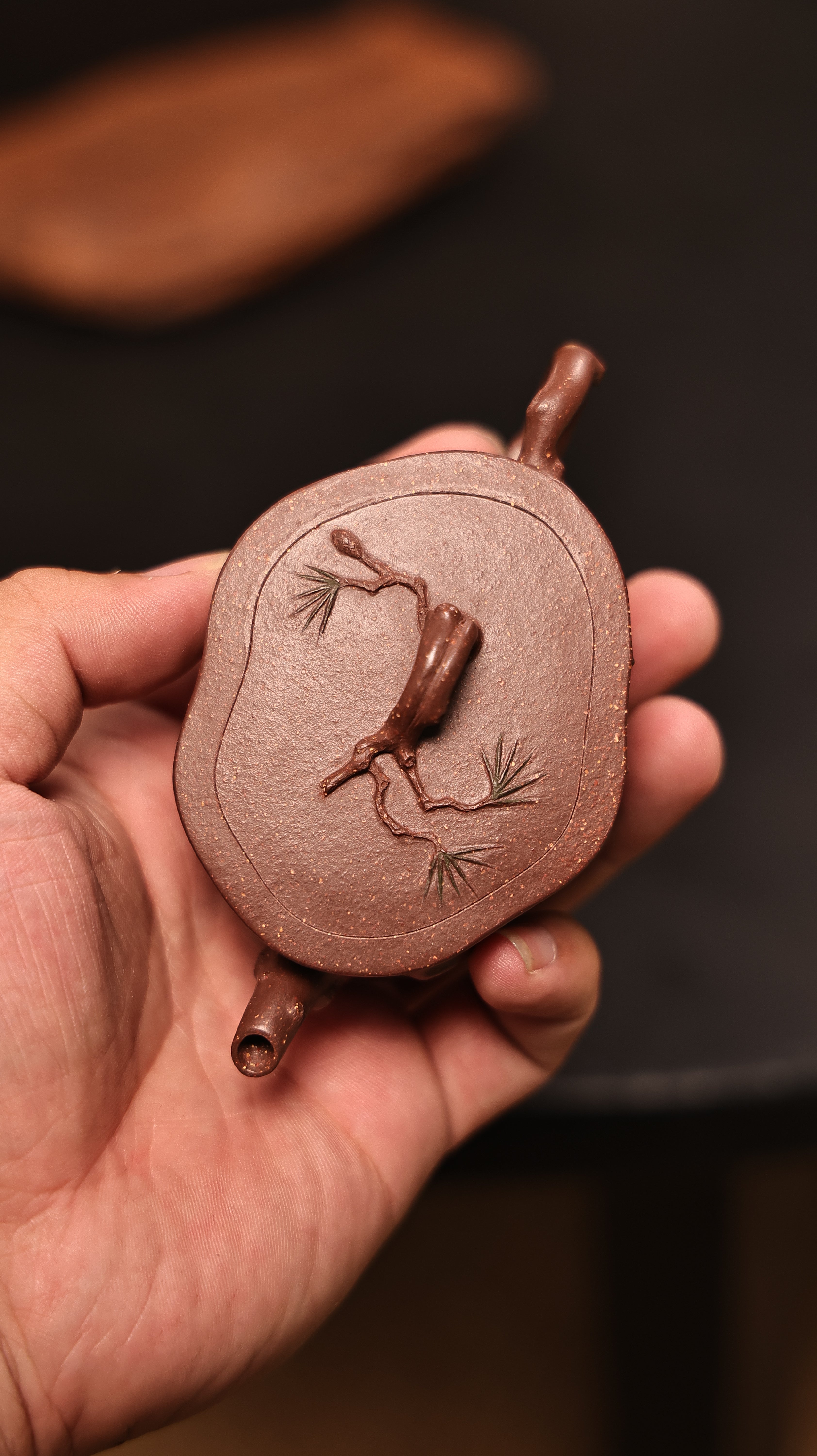
Timeless custom characterizes Eastern clay vessels alongside epochs,
Expressing peculiar attributes extracted across domestic purple soils, these vessels evolve a finish through utilization, refining bouquet liberated from prepared liquids.
Exploring Yixing Dirt: Extensive Insights into Zisha
Varied collectors respect the peculiar consistency of Yixing plum clay, a bedrock of time-honored Chinese ceramics. Originating from the Yixing region of Jiangsu province, this rare clay demonstrates an sophisticated mineral arrangement, so that offers fabulous qualities to the finished vessels. Variants within Zisha, including Zi Mud, Duan Ni Mud, and Jiang Xi Mud, each displays specific tints, structures, and drying traits, changing the diffusibility and the definitive bouquet enhancement of the infusion.
Celestial Urn Legacies: Discovering Craftsmanship
Celestial teapots embody surpassing mere pots for infusion; they represent centuries of legacy expertise. From the iconic Yixing clay variations, respected for their spongy nature which adds special notes to the concoction, to the subtle porcelain from Jingdezhen, each piece narrates a record of commitment. The making process is an elaborate undertaking, often transferred through clans of artisans. These makers use classic systems such as hand-building, carving on wheels, and decorating, demonstrating profound reverence for the matter and the practice itself. Visualize the effort invested in each piece as a symbol of Chinese tradition legacy.
- Chinese teapots: a distinguished selection.
- Refined china teapots: known for their beautiful design.
- Forming techniques: a exacting yet beneficial procedure.
Yixing Zisha Jar Treatment: Maintaining Your Treasure
Necessary maintenance of your distinguished Yixing Zisha jar is important to securing its value. Crafted from famous purple sand compound, these exquisite teapots acquire a deep patina after service, decidedly boosting their allure. Refrain from chemicals; a tender rinse with warm solution is capable. Do not scalding water for purifying the teapot, as it may damage its surface. Allow it to desiccate away from excessive solar rays. Consider conditioning your teapot regularly using superior tea, especially rich varieties. Here is a brief summary:
- Flush with pleasantly warm hydrous substance.
- Refrain from chemical agents.
- Facilitate it to dry completely.
- Season with superior tea.
History of Yixing Teapots: Early Beginnings
The history of Yixing teapots emerges fundamentally during the Ming dynasty, around the 16th period. Initially, these pots were not the cherished artifacts they are valued presently. They were created by provincial potters using the unparalleled purple clay gathered solely in the Yixing vicinity. These early artifacts were mostly utilitarian, targeted for usual utilization and often unpretentious in layout. It was not until the posterior dynasty that they commenced to earn honor beyond mere serviceable crafts.
Identifying the Appropriate Jiangsu Container: A Novice's Handbook
Embarking the world of Yixing teapots can be difficult, but shun worry! For first-timers, the fundamental factor is understanding the earth. Real Yixing clay is prized for its absorbency, allowing the teapot to collect the tea's note over time, amplifying every preparing session. Reflect on the form; traditional arched shapes prevail, yet particular preferences influence. Lastly, assess the surface—while some favor an basic appearance, others value a mild gloss. Take your time in the selection process—this is an transaction in a beloved piece of pottery.
Purple Clay Kettles and Their Significance on Chinese Drink Culture
Zisha pitchers, derived from Yixing, China, have profoundly shaped historic Chinese liquid culture. These Yixing clay teapots, prized for their identifiable tone, feel, and exceptional ability to impart a subtle note to the infusion, stand as more than mere ware; they are esteemed treasures and symbols of importance. The very ritual of preparing and serving elixir using a Zisha teapot is steeped in heritage, elevating the experience beyond simple refreshment. Successions of artisans have mastered their techniques, passed down through families, resulting in highly esteemed pieces. As a result, Zisha teapots are frequently held, playing a crucial part in cultivating regional appreciation for aesthetics and the custom of infusion ceremonies.
- Distinctive Clay Composition
- Bestowing Subtle Flavor
- Fine Craftsmanship
Detecting Authentic Exceptional Yixing Pots
Purchasing a real Yixing teapot can be a gratifying experience, but the arena is often swamped with fakes. Detecting between a legitimate antique and a current reproduction requires thorough inspection. Key markers include the clay's russet shade, often displaying patterned signs, and the absence of modern kiln imprints. The shape should seem natural sophistication, reflecting the traditional Yixing aesthetic. Finally, investigating the manufacturer's signature is important to verify realness against documented records.
- Assess the clay's makeup.
- Look for flaws, indicative of artisan quality.
- Request an consultant for confirmation.
Purchasing Native Teapots: A Thorough Manual to Ceramics Appreciation
The world of Chinese Zisha objects shows a remarkable prospect for knowledgeable patrons. Gradually, the rate of these handcrafted artifacts is driven by many aspects, such as the class of clay substance, the talent of the fabricator, the legacy consequence, and, naturally, the current market. Newcomers should prioritize on researching the diverse categories of Zisha clay—such as Glacial, Quiet Jug, Purple Clay Teapot and Crimson Soil—and studying the properties linked to each. Exact review of the container's design, shade, and mark is additionally crucial to make informed decisions when investing.